

When visiting the Netherlands, there’s one thing almost every traveler has in common: the desire to bring home something memorable. A little piece of the country you can hold in your hands — a tangible reminder of your trip, or a gift for someone special. Whether you are strolling along the canals of Amsterdam, cycling past tulip fields in Lisse, or exploring historic windmills in Kinderdijk, the idea of finding the perfect Dutch souvenir is always in the back of your mind.
But what exactly makes a good souvenir from the Netherlands? And where should you buy one if you want something that’s both authentic and long-lasting? In this guide, we’ll explore the meaning behind Dutch souvenirs, the traditional options you’ll find in the country, and a modern alternative that blends style, quality, and cultural pride — Dutchtag.nl, your online destination for premium t-shirts, sweaters, and caps inspired by Dutch culture.
Why Dutch Souvenirs Matter
Souvenirs are more than just objects; they’re emotional bookmarks in your personal travel story. They remind you of the places you’ve been, the people you met, and the feelings you had while exploring a new culture. Dutch souvenirs in particular have a strong connection to national identity — they reflect centuries of history, artistry, and tradition.
For tourists, a Dutch souvenir is:
- A personal keepsake: A way to remember your experiences in the Netherlands.
- A cultural emblem: A piece of history or tradition you can take home.
- A thoughtful gift: Something unique for friends or family who share your love for Dutch heritage.
Whether you’re a first-time visitor or a long-time fan of the Netherlands, the right souvenir captures both beauty and meaning.
Traditional Dutch Souvenirs
Before diving into modern interpretations of Dutch culture, let’s look at some of the traditional items that have become iconic worldwide.
1. Clogs (Wooden Shoes)
Wooden shoes, or klompen, are perhaps the most recognizable Dutch souvenir. Historically worn by farmers, fishermen, and laborers, they are now mostly decorative. Painted clogs make charming gifts, while miniature versions are popular as keychains or ornaments.
2. Delft Blue Pottery
Originating from the city of Delft in the 17th century, Delftware features hand-painted blue patterns on white ceramics. From plates and vases to small figurines, these pieces are both elegant and timeless.
3. Cheese
The Netherlands is famous for cheese varieties such as Gouda, Edam, and Leyden. While fresh cheese can be difficult to bring across borders, vacuum-sealed wheels make for excellent edible souvenirs.
4. Windmill Models
Windmills symbolize Dutch ingenuity and resilience. Miniature windmill models or magnets are a simple way to bring this symbol of the Netherlands home.
5. Tulip Bulbs
Tulips are synonymous with the Netherlands. Purchasing certified bulbs ensures you can plant them at home and enjoy a little piece of Holland every spring.
While these items are classic, they tend to be either fragile, perishable, or purely decorative. For travelers seeking something practical, wearable, and long-lasting, there’s another category of Dutch souvenirs worth exploring.
Modern Dutch Souvenirs: Wearable Culture
In recent years, a shift has occurred in the souvenir market. Tourists and locals alike are looking for keepsakes that aren’t just for display — they want items they can use in their everyday lives, yet still carry that authentic Dutch identity.
That’s where Dutchtag.nl stands out.
Dutchtag.nl — Premium Dutch Souvenirs for Modern Travelers
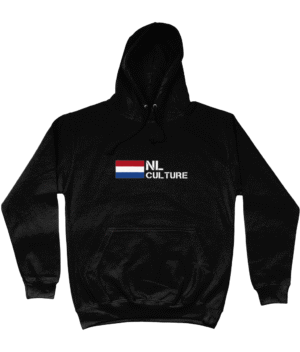
For anyone who loves the Netherlands — whether you’re a tourist on your first trip or a lifelong fan of Dutch culture — Dutchtag.nl offers a curated collection of t-shirts, sweaters, and caps that make perfect souvenirs. They combine stylish design with cultural pride, so you can wear your connection to the Netherlands anywhere in the world.
Why Choose Dutchtag.nl?
- Wide Selection
Dutchtag.nl features a broad assortment of apparel inspired by Dutch heritage. From minimalist logos to bold prints celebrating iconic symbols, there’s something for every taste. - High Quality
Souvenirs should last more than a few weeks. Dutchtag.nl uses premium, durable materials that stand the test of time — both in style and wear. - Sustainable Choices
The brand focuses on responsible production, ensuring you can feel good about your purchase. - For Everyone
Whether you’re shopping for men, women, or kids, the selection is inclusive and varied. - Online Convenience
No need to carry bulky souvenirs in your luggage — you can browse and order from anywhere in the world, and have them delivered to your home.
What You’ll Find at Dutchtag.nl
1. Dutch-Inspired T-Shirts
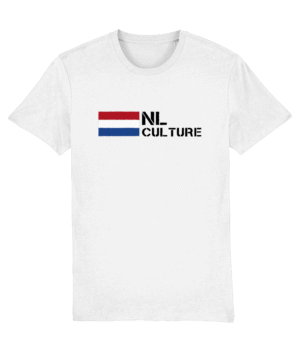
T-shirts are one of the most versatile souvenirs you can own. They’re wearable reminders of your trip and easy to pair with any outfit. Dutchtag.nl offers designs that reflect the charm of the Netherlands — from graphic prints of bicycles and canals to subtle typography celebrating Dutch pride.
Perfect for:
- Casual everyday wear
- Gifting to friends or family
- Packing as a travel-friendly souvenir
2. Cozy Dutch Sweaters
Sweaters from Dutchtag.nl combine comfort with cultural expression. Ideal for cooler weather, these sweaters make great long-term souvenirs because they’re practical and durable.
Why they’re great:
- Made from quality fabrics for warmth and longevity
- Stylish enough for urban wear, comfortable enough for lounging
- Represent Dutch culture in a subtle, fashionable way
3. Trendy Dutch Caps
Caps are the ultimate functional souvenir — they protect you from the sun, add style to any outfit, and fit easily in your luggage. Dutchtag.nl offers caps with embroidered designs inspired by the Netherlands, making them a stylish way to show your love for the country.
The Value of Quality in Souvenirs
One of the biggest disappointments travelers face is buying a souvenir that falls apart after a few uses. Low-quality t-shirts that fade, sweaters that lose shape, or caps with flimsy stitching not only waste money but also fail to preserve the memory of your trip.
That’s why Dutchtag.nl’s commitment to high-quality, durable apparel is important. These items are designed to last for years, making them souvenirs you’ll actually enjoy long after your trip is over.
Who Should Buy from Dutchtag.nl?
- Tourists visiting the Netherlands
You can order while you’re in the country and have it shipped home — no need to carry extra weight in your luggage. - Dutch expats abroad
If you’re living overseas and miss home, a Dutchtag.nl sweater or cap can be a daily reminder of your roots. - Fans of Dutch culture
Even if you’ve never visited, you can express your love for the Netherlands through fashion. - Gift shoppers
A high-quality Dutch souvenir is the perfect present for birthdays, holidays, or special occasions.
How to Choose the Perfect Dutch Souvenir
When selecting a Dutch souvenir — whether traditional or modern — consider these factors:
- Authenticity: Does it truly reflect Dutch culture?
- Practicality: Will you use or wear it often?
- Durability: Will it last for years, not weeks?
- Personal Connection: Does it remind you of your experiences?
Dutchtag.nl checks all these boxes with its stylish, wearable pieces that celebrate Dutch heritage.
Blending Tradition and Modern Style
While Dutchtag.nl specializes in modern apparel, the inspiration behind its designs often comes from traditional Dutch symbols — bicycles, windmills, tulips, canal houses, and the national flag’s colors. This creates a bridge between the old and the new, making their products both relevant and rooted in history.
The Perfect Gift for Any Occasion
A Dutch souvenir from Dutchtag.nl isn’t limited to travel memories. It can also be a meaningful gift for:
- Graduations — A stylish cap or sweater to celebrate milestones.
- Holidays — Christmas, birthdays, or anniversaries.
- Corporate Gifts — A unique, cultural token for international clients.
- Family Reunions — Matching shirts for relatives with Dutch heritage.
Tips for Buying Dutch Souvenirs Online
If you can’t make it to a physical store or want a wider selection than what’s available in tourist shops, shopping online is the best option.
Here’s how to get the most out of your online souvenir shopping:
- Choose trusted sellers — Dutchtag.nl has a strong reputation for quality and service.
- Check sizing guides — Especially important for apparel to ensure a perfect fit.
- Look for shipping options — Verify if they deliver to your country.
- Read customer reviews — See what other buyers say about quality and comfort.
Why Dutchtag.nl Beats Tourist Shop Souvenirs
Typical tourist shops often sell mass-produced items that focus on quantity over quality. While they can be fun for quick buys, they rarely last. Dutchtag.nl offers:
- Premium materials
- Unique, culturally rich designs
- Durability and comfort
- The convenience of online shopping
This makes it the smarter choice for travelers who want souvenirs with lasting value.